If you’re having trouble deciding what to grow this season, here’s a gratifying option to living up your landscape: plant things both people and pollinators adore! You can share!!
Get this, many veggies and herbs will go on to flower and attract a myriad of beneficial insects if you leave ‘em the ground long enough to do so. You’ve probably discovered this phenomenon all on your own, forgetting about that old arugula or salad mix until after it’s bolted and flowered and then – boom- it’s suddenly abuzz with life!
 We often leave entire beds of broccoli and cilantro to continue growing waaayy past their harvest window (on purpose- no really!!), inviting in a diversity of bees, flies and beetles that in turn pollinate our other food crops and prey on pesky pests like aphids, mites and caterpillars. Over-mature crops can even help to bolster native pollinator populations, many of which are in decline due to habitat loss and a lack of floral resources. If you have the space and a tolerance for a slightly messier garden appearance, consider leaving the following crops in the ground beyond the point of edibility:
Cilantro, Dill and Parsley: These three herbs are in the family Apiacea, known for its “umbel”-shaped flower heads which can attract a wide diversity of beneficial bees, syrphid flies and parasitoid wasps, which prey on aphids!! After cutting these plants back a few times for food they’ll start to bolt and flower. Just sit back and enjoy the magic!
Annual brassicas – arugula, mizuna, mustards, salad mix, tatsoi, choi sum and gai lan: These quick-to-mature leafy greens of the family Brassicacea are often the first to bolt in the garden, leading to a proliferation of white and yellow flowers. Bees or all shapes and sizes including honey bees, bumble bees, sweat bees and mason bees will find their way to these flowers.
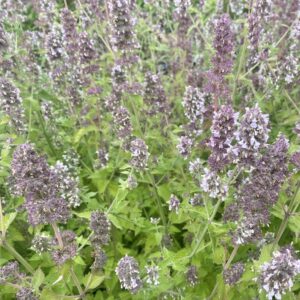
Basil, Holy Basil and Catmint – These herbs are in the Mint family, producing spikes of gorgeous, purple flowers that bloom a good long while. Pinch the first few flowers off your basil plants to encourage branching, which will yield more pesto for you and flower production for the pollinators.
Edible Flowers – The blooms of Calendula, Borage, Bachelor Buttons and Nasturtiums are all edible, adding bright colors and subtle flavor to your summer salads, drinks, and party cakes. They also happen to be some of the best pollinator crops out there! The butterflies and their friends will thank you (in their own subtle way).
One final word to the wise. While leaves and stems lead to flowers, flowers happen to lead to (drum roll, please)…seeds! Keep an eye on those plants as they’re blooming and consider yanking them before the first seed pods start drying down to prevent seed dispersal in your garden. That is, unless you want to try saving your own seeds or don’t mind volunteers next spring!