 We like to kick off each Fall CSA season with a refresher on how to store your fall veggies. Apologies to our callused members who have received this info a dozen times already! For our new members, here are a few pro-tips for prioritizing your produce for consumption and storing items aren’t immediately consumed. The great thing about Cool Season veggies is that they generally store in your fridge or on the counter much longer than wilt-prone summer salad greens or fruitfly-attracting tomatoes and cucumbers.
- It’s best to store all items in the fridge in plastic bags with the exception of onions, garlic, squash and potatoes. Too much moisture in the plastic bag can lead to bacterial rot in both roots and greens, so make sure they’re not dripping wet as they go into the fridge.
- Not-so-hardy greens such as Spinach, Mustards, Salad mix, and Frisee are generally the most wilt-prone items in your share. They should last up to a week in the the fridge, but we’d still recommend consuming them relatively quickly after pick-up.
- Hardier braising greens such as Kale, Chard, and Collards can generally last a bit longer before wilting. (Also, since these greens are generally cooked, it’s not as consequential if they get a bit wilty before consumption)
- Broccoli, cauliflower, kohlrabi, brussels and cabbage will all store a bit better than greens, but not quite as long as roots. Broccoli is the quickest to turn yellow and rot, while cabbage can last several week.
- Roots such as carrots, beets, parsnips, rutabaga, leeks and winter radishes can last many weeks if stored properly in the fridge. Since moisture loss happens mostly through the leaves, we’d recommend removing the greens before refrigeration. Compost the greens, or in the case of beets and turnips, save them as a separate items to consume like spinach (so tasty!).
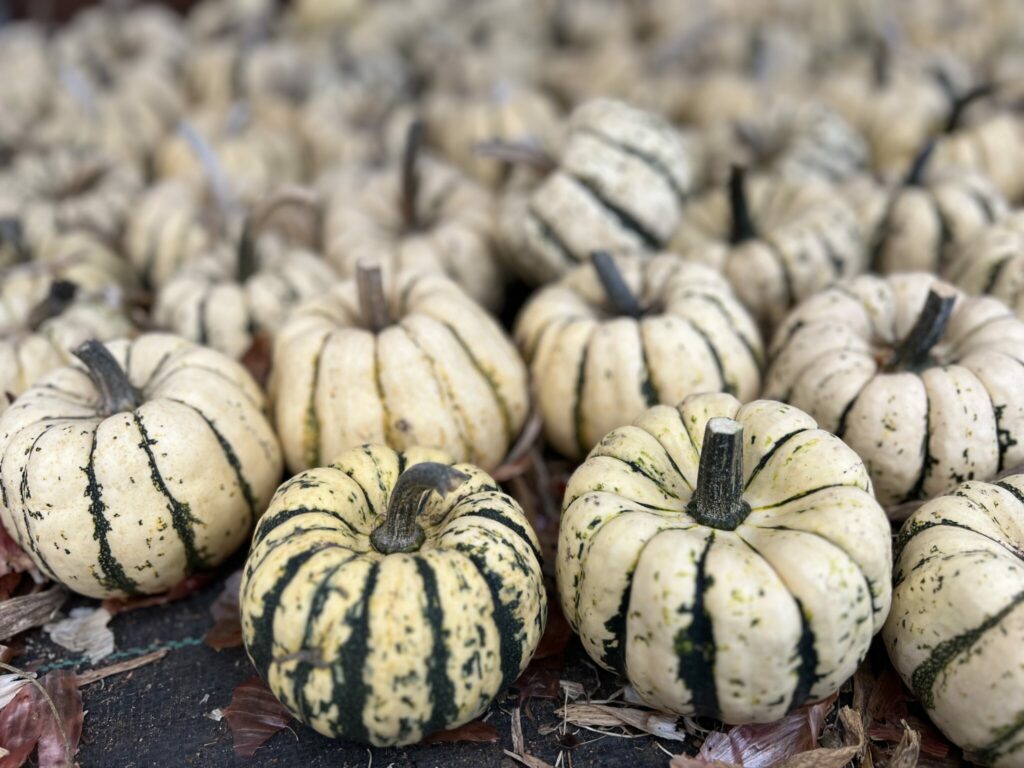
- It’s best to store onions, garlic, winter squash on the counter or in any other non-refrigerated place out of the sun. Don’t feel compelled to eat these items right away. If kept dry, they might last you well beyond the year’s end and into winter.
- Potatoes also prefer non-refridgerated storage, but like it a bit cooler and moister than room temperature. If you’re not going to eat your potatoes for several week after pick-up, consider storing them in a paper bag or cardboard box in your garage, or any other cool, dark area. Otherwise, the counter is just fine for short term storage.