Posted on

Early January is Time to dream not to Plant!

Howdy-do, gardening friends! It’s time for our near-annual public service announcement about weather, microbes and patience. Let us explain. While it’s easy to celebrate the rare sun fleck breaking through our January perma-cloud, don’t let that excitement lead to rash seed sowing. This time of year in western Washington our soil temps hover in the low 40s, too cold for even the hardiest seeds to thrive. Those that do manage to sprout encounter rain, frost, slugs, fungal disease and, most importantly, an absence of sunlight which threaten seedlings’ chance of survival.

We used to start our CSA in early May and pride ourselves on being early to farmers markets with carrots, broccoli and zucchini. But over the years we learned battling cold temps and early spring pests led to too much crop loss, burn-out, wasted seed, and damaged soil to justify the marginal early season gains in profit. Here on Whidbey Island, we now don’t direct sow much of anything outdoors until early April or March if it’s in a greenhouse.

So, what does this mean for you and your grand gardening goals? January is best for dreaming and scheming.  Perhaps build a new compost or worm bin, take a soil test, or level up your succession planting plan with some spreadsheets.  Research all the wonderful varieties offered by your regional seed companies and plan a mini variety trial.

Okay, so if January is off-limits for planting what about the rest of winter? February is perfect for starting onions and leeks indoors. March is ideal for starting tomatoes, peppers and eggplants indoors as well as hardy brassicas. If you have a greenhouse, you could begin direct seeding some greens and root crops. If these crops succumb to our NW winter blues, don’t fret, just try again in April! Our comprehensive NW planting calendar can be found here.
Posted on

The Farm Life is the Good Life

Is farm life the good life? This year (and most, really, truly!), I’d answer with an emphatic yes, last year… maybe not so much, the year before… I think so? Wish I could remember! Like most things, farming is up and down and all around, and our attitude towards this life we’ve chosen fluctuates with the changing weather, seasons, world events, personal events, and the state of our minds.

The glorious things about this gig are kind of obvious and very real. It’s wonderful to be one’s’ own boss, working outside with the birds and bees, producing something that is well appreciated (especially on South Whidbey!). An we sure appreciate communing with nature (even the mosquitos, ok, no- not the mosquitos) and the rad community that supports small scale organic farmers. And of course, we LOVE the abundance of fresh food for us to consume and share.

The downsides are often less appreciated; the hours, pay, wear on the body (especially 15 years in!), the stress of managing the needs of dozens of crops and outlets, the unpredictable weather, and the isolation that many growers feel (thankfully that one’s not a problem for us). There is a cool pilot program in WA, which started in 2019 that offers farmers free vouchers for therapy. There’s been other legislation in our state that supports farmer mental health and that’s awesome, as we see the legit strain this life puts on some of our pals and on ourselves at times as well.

That being said, I think we are in a pretty special place here on Whidbey, where the farm community is tight knit and very supportive of each other, where the broader community carries us in times of difficulty (we had volunteers readily help throughout our career) and where we can make a reasonable living in this difficult profession thanks to all the incredible local support of individuals and other markets.

When we try to think of something we’d rather be doing, we actually can’t! Working for the Conservation District? Nah, we’d have to commute. Working for a local non-profit? We’re not good at being inside. Hmm… we will have to think about what’s next once our bodies can’t physically pull this job off, but that’s a conversation for another time (despite our families wanting us to solve that dilemma asap). For now, we take the good with the difficult and always come out feeling grateful we’ve landed in the field we have. Yay farming!!

Posted on

Why We Adore Cascadia Snap Pea

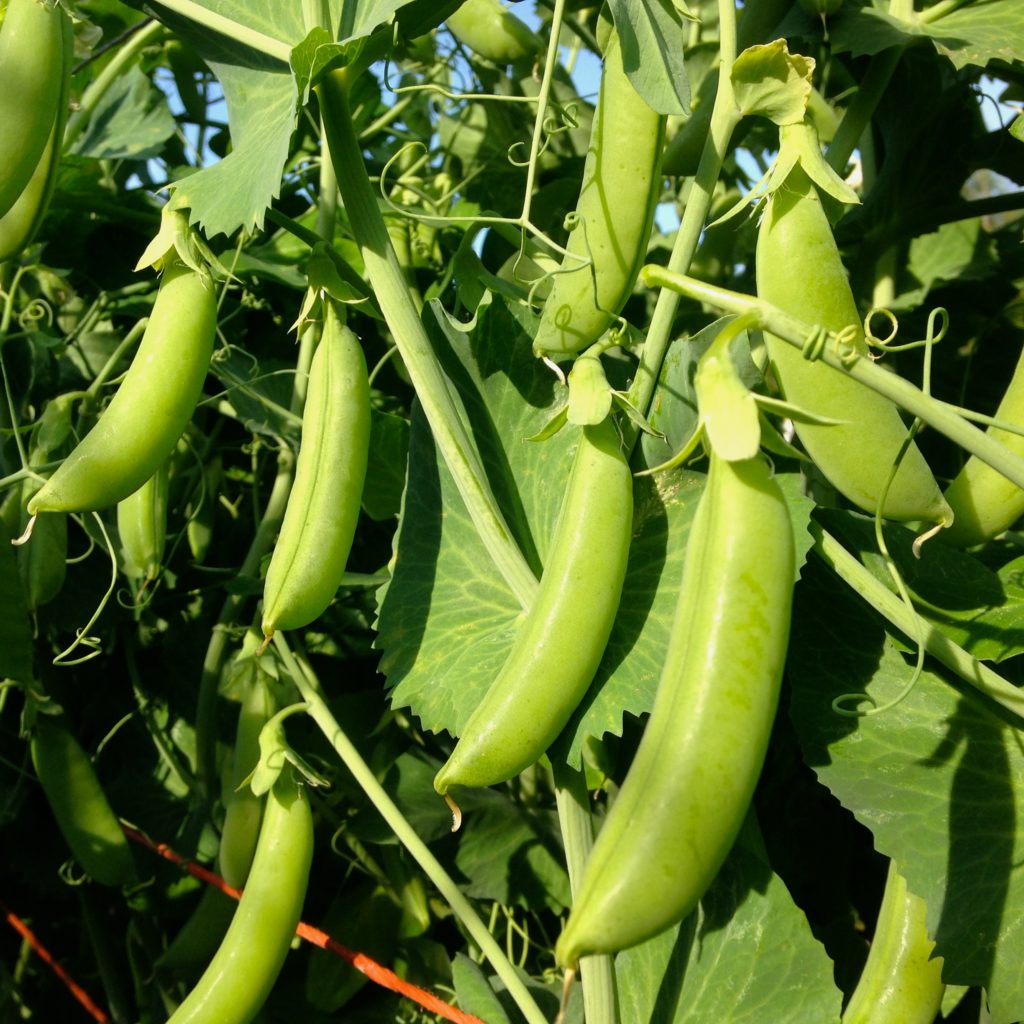
Organic, Non-GMO Snap Pea SeedThis week’s featured variety is Cascadia Snap Pea. We’ve grown this pea every year of farm careers and have yet to find a better option.
It was bred by the late, great plant breeder Jim Baggett of Oregon State University. Jim bred disease resistance (pea wilt, powdery mildew, and pea enation mosaic virus) into Cascadia as well as several other excellent pea varieties, allowing peas to be grown all season long in the Pacific Northwest.

For fellow plant breeding nerds, check out this sweet little memoir of Jim’s life written by Carol Deppe. Cascadia has the juiciest, fattest pods of any snap pea out there.

Posted on

Saving Seed on Squash

Squash your Ignorance!

We’ve been saving seed on Oregon Homestead winter squash (aka Sweet Meat)  for over 10 years, growing it out in isolation every 2-3 years to collect the seed (using a hatchet and Shopvac!) and bestow the sweet flesh to our CSA. We adore this variety for its rich flavor, abundant yields and early maturity in our climate. It was improved by the great PNW plant breeder Carol Deppe who selected it for small cavity size ( = more food), vigorous growth and good germination in cool soils. It’s great in soups or just baked and eaten with salt and butter. It won’t store since it’s been cut into…so eat promptly!

Squash are a tricky crop to grow for seed due to their out-crossing nature (bees move pollen between plants) and the fact that they flower before they produce food (a fancy way of saying they’re fruits).  Since they readily outcross with other squash of the same species, it’s imperative that we grow them in isolation from other squash if the goal is to save seed. Luckily, we have some amazing CSA members down the road that have leased us a small plot of land to grow seed in isolation from the Deep Harvest/Foxtail Farm veggie HQ. I can even drive the tractor there to prepare fields in the spring!

Squash come in 3 common species, so it’s crucial that we know what species each variety belongs to so no crossing occurs. Sweet Meat squash, along with buttercups, kabocha, hubbards, kuris and other big, dense soup squashes are all in the species Cucurbita maxima. Delicata, acorn, pumpkins,  zucchini, summer squash are all C. pepo. Don’t save seed from a pumpkin grown next to an acorn, unless you want some funky offspring! Lastly, butternut squash and their kin are all C. moschata, a particularly difficult species to save seed on in the PNW due to their long days to maturity.

The fact that squash are actually fruits means that they flower before they make squash. Broccoli, beets, fennel, mustards, etc in contrast all flower after they form their vegetables. This means we can grow a broccoli or mustards seed crop next to another broccoli or mustards of a different variety for food, as long as we don’t let that food crop flower. Not so with squash. A squash intended for seed saving will happily cross with a squash meant for eating. This applies to all other fruiting crops in the Cucurbitacea family such as melons and cucumbers. You must grow them in isolation for seed.

Posted on

Food Preservation in a Hurry

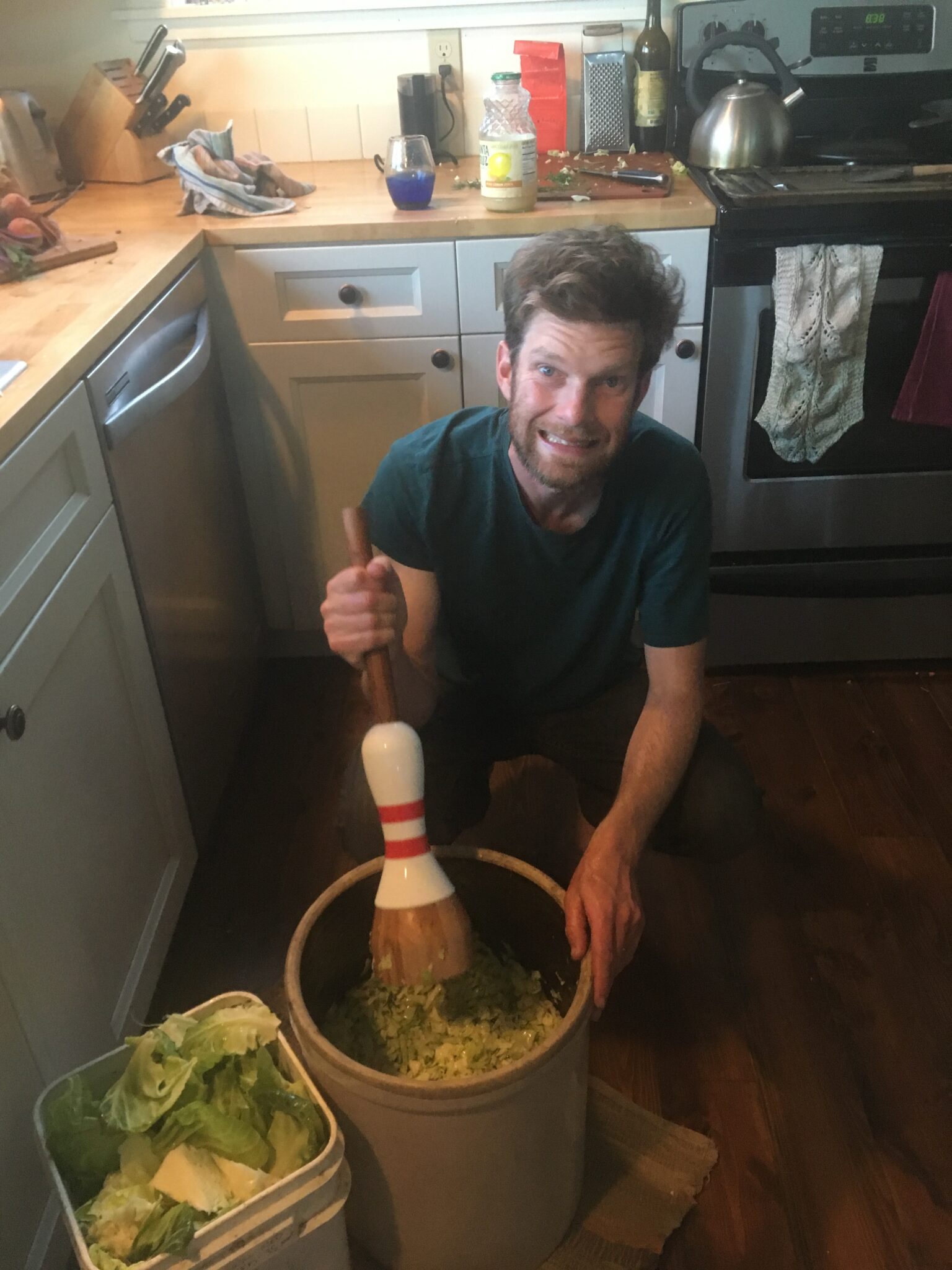
Nathaniel and our custom kraut smusher.

I’m sure I’m not the only one of us who has made it through all of summer only to now notice the pantry is absent of any preserves and the freezer lacks any sign of this year’s harvest. Never fear! Time Constrained Preservation Princess is here (yep, that’s what I’m now going by).  Now is as good of time as any to capture the tastes of summer in quart jars and freezer bags. I never do anything too complicated, as time is still limited and precious, but my oh my do I love myself in the winter for doing the deliciously easy stuff now. So… here’s what I prioritize in preservationville (not quite as exciting as Margaritaville, RIP Jimmy Buffet).

Basil

Pesto!! We make boat loads and just freeze it in pint sized freezer jars. No water bath shenanigans, super easy peasy (and basily). I also dehydrate tons of basil and jar it up for future pizzas, soups, pastas and gifts. It’s so much sweeter and more flavorful than the old store stuff.

Tomatoes

Next, we freeze tomatoes whole in ziplock bags, especially cherry tomatoes, but we do this with the big guys, too. You literally don’t have to do anything expect take off their green stems. We pour the frozen flavor bombs into soups and stews come cold season. Boomshakala!  I also roast tomatoes whole with a little olive oil and salt until they’re pretty much caramelized. Once cooled, I jar or bag this sludgy bliss and toss that into the freezer for casseroles, pizzas, soups, etc. Lastly, I cook down tomatoes whole with the skins on (most recipes tell you to remove the skins, but I’m not that kind of girl).

I use the immersion blender to break ‘em up if I want sauce and leave some in full tomato form for stewed tomatoes. Once they’re cooked down to my liking, I put the tomatoes in sterilized jars, add 2 TBS of bottled lemon juice per quart, seal it up, and water bath the beauties for 20 minutes. Yes, this is a bit of effort, but for farm fresh, heirloom tomato gloriousness, it’s worth it.

Cabbage

We’re all about making loads kraut, kimchi, curtido, and more kraut. They all maximizes the health benefits of cabbage with all its probiotics that make food more digestible and improves your guts ability to absorb nutrients. Fermented foods are also easy to make. I use the Sandor Katz’s book “Wild Fermentation” for the specifics, but their are oceans of recipes on the ol internet. This is an excellent mode of preserving cabbage and more for 4-6months.

Carrots, Radishes, Cucumbers, Onions, and Garlic

Other than that, I’m pretty into quick pickling carrots, radishes, and cucumbers, dehydrating garlic and onions for garlic and onion powder. I’d love to hear your preservation passions and secrets to keeping the harvest!

Posted on

Why Buy Organic, Local Flowers and Flower Seed?

by Annie Jesperson

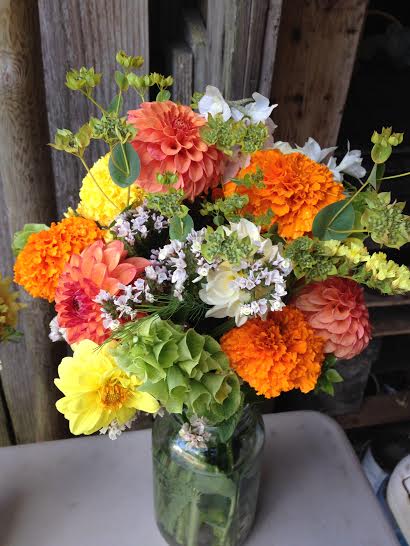
I’m guessing you’re not a big flower eater (am I wrong?) so seeking out blossoms grown without the use of synthetic pesticides and fertilizers might not seem as vital as buying organic groceries. However, the joy and beauty flowers bring might be seriously diminished if you consider how they were likely raised.Whidbey Bridal Bouquet

The average grocery store bouquet gets shipped from countries often in South American that haveminimal, if any, herbicide, pesticide, and fungicide regulations. According to the CA Cut Flower commission, a whopping 80% of our flowers are imported. In 2007, the International Labor Rights Fund discovered Ecuadoran flower companies use over 30 different pesticides and that 20% of the chemicals applied on flowers in Colombia are restricted or banned in the US. The global flower industry is dangerous for field workers, florists and consumers alike and does serious damage to soils, waterways, pollinators and environmental health. The International Labor Organization found more than 60% of South American flower industry workers experience headaches, nausea, blurred vision or fatigue and suffer more than the average number of miscarriages.

Luckily, we have more opportunities than ever to buy flowers that support safe working conditions and a healthy natural world. In 2005, U.S. consumers bought $16 million in organic flowers and according to the Organic Trade Association that demand is increasing by 50 percent a year. “VeriFlora,” a labeling and certification program started by U.S. consumers, growers and retailers helps fuel that growth. Over 30 farms Colombia and Ecuador boast the VeriFlora label, which bans more than 100 chemicals and requires transitioning to organic growing techniques.

Also, the burgeoning Slow Flower Movement, started by flower farmer and activist Debra Prinzing, encourages consumers to know their flower growers and buy flowers raised close to home. Doing so hugely lowers the carbon footprint of your bouquets—and it’s not hard to do as the local flower movement is exploding. Between to 2007 and 2012 the number of US cut flower growers grew 20%! Knowing your farmer is a worthy and attainable goal for your flowers and foods alike.

Of course the surest route to chemical free blooms are to grow your own from organic, local flower seed. If you’re not a gardener, no problem, just seek out a local flower farmer or florist whom you can talk to about their growing practices and flower sources.

Let’s stop rubbing our noses and hands on the toxins of conventional flowers. With the rise of the local, organic flower movement, it’s easier than ever to ignore anonymous blooms. Show your friends, family and the earth your love buy supporting organic, local flowers.

Whidbey Island Flower Growers:

Organic, Non-GMO Zinnea Seed
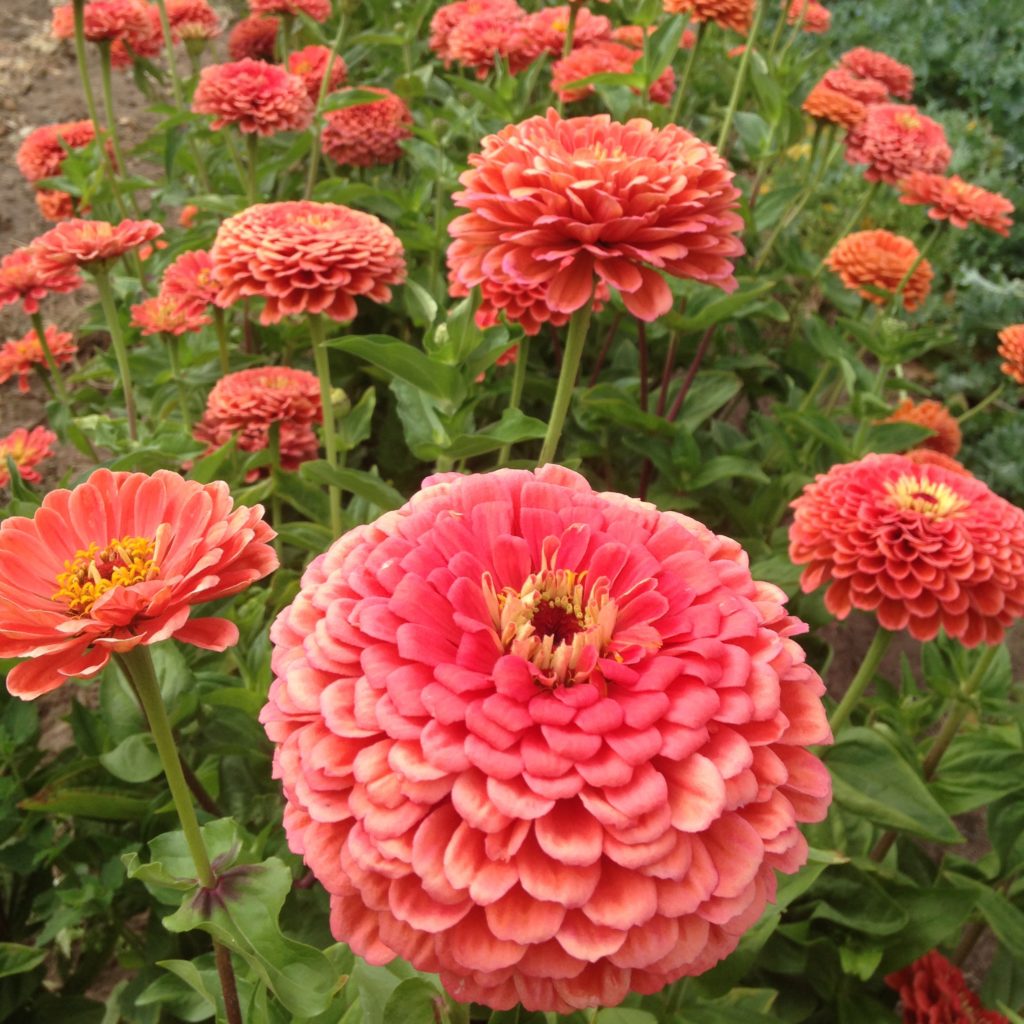
Salmon Rose Zinnea from Deep Harvest Seeds

Deep Harvest Farm

Flying Bear Farm

Sonshine Farm

Organic Flower Seeds:

Deep Harvest Farm

Uprising Organics

Wild Garden Seed

Adaptive Seeds

SaveSaveSaveSave